Bespoke Website vs Template: Which Is Right for Your Business?
Neither is automatically better. The honest trade-offs, and the questions that tell you which one your business needs.
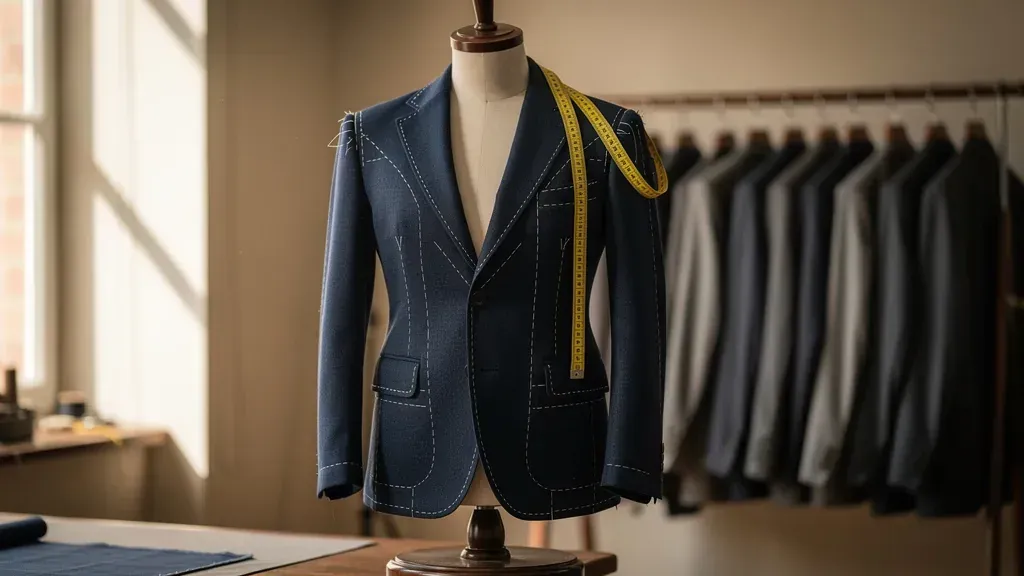
A bespoke website is not automatically better than a template. And a template is not automatically cheap, slow, or amateurish.
The right choice comes down to what job your website needs to do. For some businesses, an off-the-shelf template is the smart, sensible choice. For others, it quickly becomes an awkward constraint on messaging, performance, and day-to-day enquiries.
Here are the practical trade-offs, without the agency sales pitch.
The real difference
A template gives you a pre-built structure. You choose a theme on a platform like WordPress, Squarespace, or Wix, and adapt it with your colours, fonts, images, and text. Because someone has already built the layout, it takes less time and costs less to get off the ground.
A bespoke website is planned and built around your specific business. The page structure, the words, the customer journey, and the technical setup are designed to fit what you actually sell.
Bespoke does not have to mean complicated. In fact, a good bespoke site is often much simpler than a template, because it only includes the code and pages your business actually needs, rather than hundreds of unused theme settings.
When a template is the right choice
There are plenty of situations where starting with a template makes complete sense:
- You are testing a new business idea and do not yet know which services, customers, or messages will work.
- The website only needs to confirm you exist and provide basic contact details or opening hours.
- Business comes through word-of-mouth, referrals, or existing trade relationships, rather than cold web searches.
- You need to get online this week on a tight budget. A tidy template within your means beats a rushed bespoke build by someone cutting corners.
- The website plays little part in winning work. If your customers never search for you online before hiring you, an expensive custom site is hard to justify.
If the website is not expected to generate leads on its own, spending thousands on custom development is rarely necessary.
When bespoke pays for itself
A bespoke build earns its keep when the website has an active commercial job to do:
- You rely on the website to generate enquiries. To turn a visitor into a client, a site needs to address their problem, explain your approach, show proof, and make contacting you easy. Forcing that story into rigid pre-made blocks often dilutes the message.
- Your service is difficult to explain. If you serve different kinds of buyers or offer specialised services, cramming everything into a standard template leaves visitors confused.
- Every competitor in your sector looks identical. Commercial themes rely on familiar patterns: the same wide hero banner, the same stock icons, the same three pricing boxes. Custom design gives you a distinct presence that reflects how you actually work.
- Speed and mobile performance matter. Templates are built to cater to thousands of different buyers, so they come packed with dozens of scripts, fonts, and features you will never use. A bespoke, lightweight build carries only what is required, keeping pages quick and responsive.
- Search and AI visibility are priorities. Clear service pages, logical heading hierarchies, and specific content structure make it much easier for search engines and AI tools to understand what you do.
- Security and maintenance simplicity. Many templates rely on stacks of third-party plugins to add basic functions. Every plugin is another piece of software to keep updated and monitor for security issues, something highlighted recently when security bugs in dynamic PHP platforms caused headaches for site owners. A lean, bespoke site with pre-rendered pages eliminates plugin bloat and runs quietly without constant maintenance.
The true cost over three years
Templates are cheaper on day one. But the true cost of a website is what you spend over its lifetime.
With a template, upfront costs are modest. Over two or three years, however, costs can creep up: plugin subscriptions, theme updates, paid add-ons, troubleshooting when updates clash, and the time spent trying to make the theme do things it was not designed for. If the site fails to generate enquiries, you often end up replacing it sooner.
With a bespoke build, the initial investment is higher. But running costs are usually lower: fewer paid plugins, no theme licence renewals, and far less maintenance hassle. If built well on modern infrastructure, it will last longer and do its job more effectively.
Practical questions to ask before hiring anyone
Whichever route you lean towards, check these practical points before hiring a designer or agency:
- Ownership: Will you own the design, code, and content outright, or are you locked into a proprietary builder?
- Portability: Can the site be moved to different hosting if you ever part ways with the developer?
- Copywriting: Who is writing the words? A beautiful template with vague copy will not win clients.
- Maintenance: What updates will you need to handle yourself, and what happens if something breaks?
How to choose the right path
Do not choose bespoke just because it sounds prestigious. And do not choose a template purely because it is the cheapest option on paper.
Start with the job the website has to do. If you need a simple online calling card, use a template. If your website needs to be an active business asset that brings in new clients, invest in a bespoke build that fits your goals. If you are weighing up whether your current site can be improved or needs replacing entirely, read our guide on website rebuild vs redesign. For a realistic view of pricing, see our breakdown of small business website costs in the UK.
Is your current website helping or holding you back?
If you want an objective view of how your current site is performing, try the Pixel Web Weaver free site audit. It checks your speed, messaging clarity, technical health, and search visibility, giving you clear facts before you decide on your next move.